top of page
  • Writer: Nicky
    Nicky
  • May 11, 2020
  • 1 min read

Updated: Aug 22

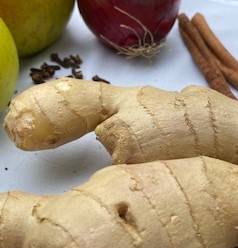
A timeless apple chutney recipe perfect for using up the windfalls from the garden. I found this recipe in my grandmother's book. I have adapted it slightly to today's ingredients and updated her weights and measures.


apple chutney recipe


900g apples

225g raisins (chopped)

450g soft brown sugar

1200ml cider vinegar

4 tbsp ground mixed spice

3 tsp ground ginger

2 tsp salt


Peel and chop the apples and put them into a saucepan with the vinegar and spices. Cook until soft.

Then add the sugar and boil for a few minutes before adding the chopped raisins, salt and ginger.

Pour into hot jars and tie down.


And here is my own adaptation, substituting sultanas for raisins and adding onions and fresh ginger.


900g apples, cored, peeled and chopped

225g onions, peeled and chopped finely

450g sultanas

700g soft brown sugar

900ml cider or malt vinegar

2 heaped tablespoons grated ginger

4 tsp ground allspice

1 tsp sea salt

Put all the ingredients in a large enamel pan and simmer over a moderate heat until thickened

(min 40 minutes).

Spoon into warm sterilised jars and seal.


Learn how to sterilise the jars on 'all you need to know about making chutney'


  • Writer: Nicky
    Nicky
  • May 8, 2020
  • 2 min read

Updated: Jan 10

Made in a loaf tin, this involves no baking and is something that your children can easily help with, if only to lick the bowl afterwards!


ree

You will need a 900g loaf tin.


Lightly grease the loaf tin and line it with a triple layer of cling film. This will make it easier to get out!


I find the easiest way to do this is to tear off the three pieces of cling film and lay them one on top of the other on a flat surface. Then use to line the tin.


ree

110g butter

225g dark chocolate

1 tin of condensed milk

450g Digestive and/or Rich Tea biscuits

White chocolate to decorate


Break up the chocolate and put it into a large bowl with the butter and condensed milk. Melt over a pan of simmering water, stirring occasionally.

Make sure the bottom of the bowl doesn’t touch the water.


Break the biscuits into quarter size pieces (or you can put them in a plastic bag and give them a bash with a rolling pin). Add to the chocolate mixture and stir thoroughly. Spoon into the loaf tin, pressing it down as you go. Refrigerate for 6 hours.

When your biscuit cake has set, melt a small amount of white chocolate in a small heatproof bowl set over a small saucepan of simmering water. Take the loaf tin out of the fridge and drizzle the white chocolate across the top. (It will harden straight away). Cut into slices with a sharp knife and serve.


At Christmas time, I use the amount given above to fill two pudding basins, a one pint and a half pint. Again, you will need to line the basins with the three layers of cling film before filling them and putting them into the fridge to set for six hours. The white chocolate is then drizzled over the top.


Updated: Jun 30


The word ‘chutney’ is an anglicized form of the Hindi word chatni. The original version took several days to make with the ingredients being slowly cooked in the hot Indian sun until the desired consistency and flavour was reached. The British brought it home from India during the colonial era, added vinegar to the recipe to give it a longer shelf life, and preserved it in ceramic jars.


ree

My first introduction to chutney, or pickle as it is sometimes known, was a Ploughman’s lunch in a pub in the south west of England. A couple of thick slices of fresh farmhouse bread, a slab of local cheddar cheese, Branston pickle, and a pickled onion. All washed down with a half pint of local cider. Today's chutneys have become much more sophisticated with the introduction of flavoured vinegars and new spices.

The first thing to know about chutney is that there is no right or wrong recipe. Flavours can range from spicy to mild and sweet to sour. And they can be chunky or smooth depending on the type and size of the vegetables. More importantly, they are easy to make. It is simply a case of putting all the ingredients in a saucepan and letting it boil away over a medium heat until it thickens. Depending on the type of chutney, there can be some peeling and chopping involved, and you do need to keep an eye on it once it’s in the pan to make sure it doesn’t catch on the bottom. But that’s about it. Once you’ve given it the required time on the top of the stove, draw your spoon through the mixture and if it does not immediately fill with juice, the chutney is ready.

ree

The only other thing you need to know is that chutney needs to ‘mature’ and is best eaten at least a month after being made. Shelf life, however, is anything up to a year and beyond! Finally a word on sterilising the jars before you fill them. This is very important and is very easy.


Simply wash the jars in soapy water, rinse and place in a low oven for about 10 minutes, or until they are dry. Fill the jars while they are still warm and put the lid on straight away. To save money, you can re-use old jars but I always buy the lids as new.


© 2020 by A PINCH OF ... Proudly created with Wix.com

bottom of page